Built to Print Metal Fabrication Services for Industrial Production
-
Built to print components, weldments and fabricated assemblies produced from customer drawings
-
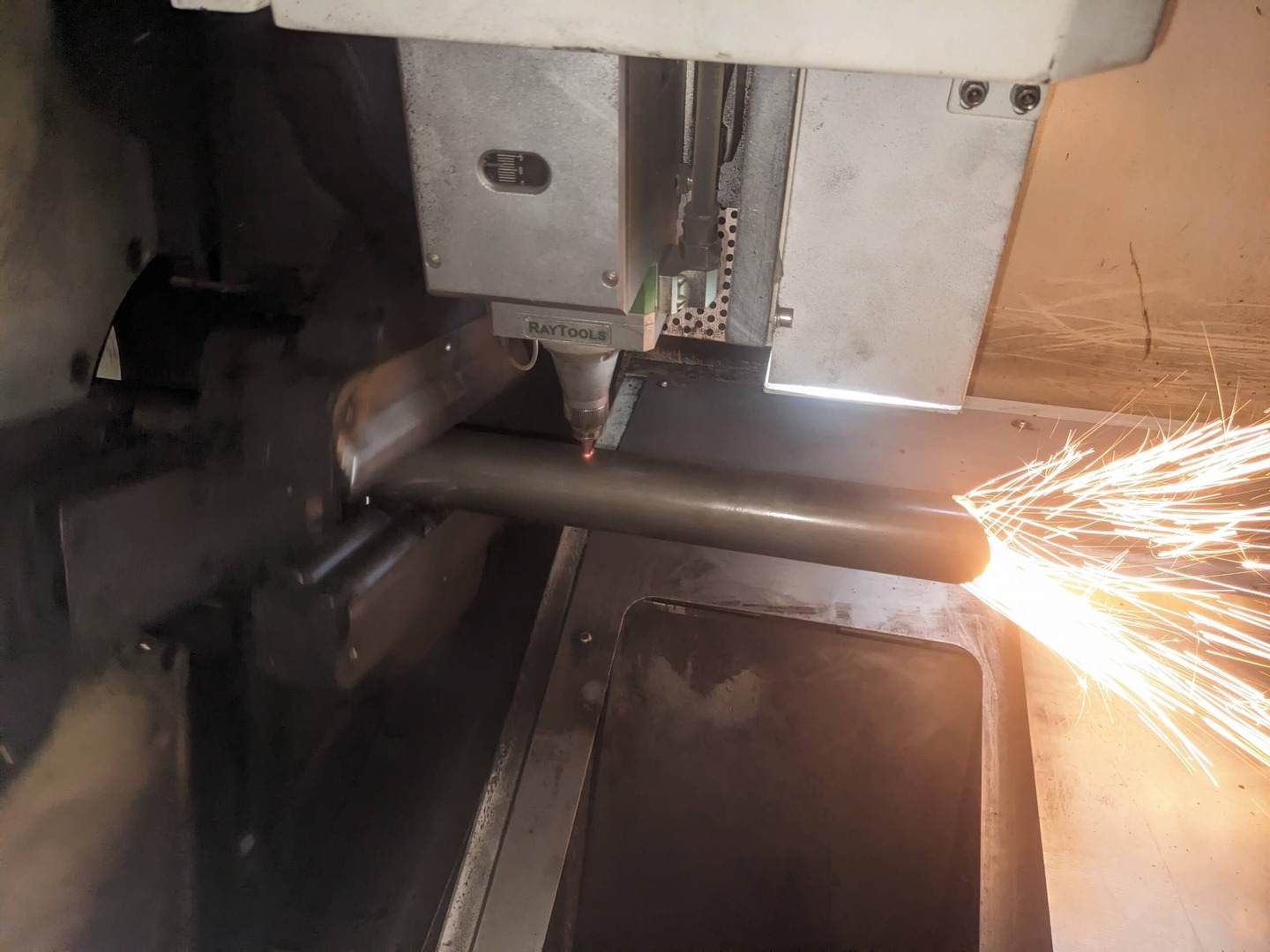
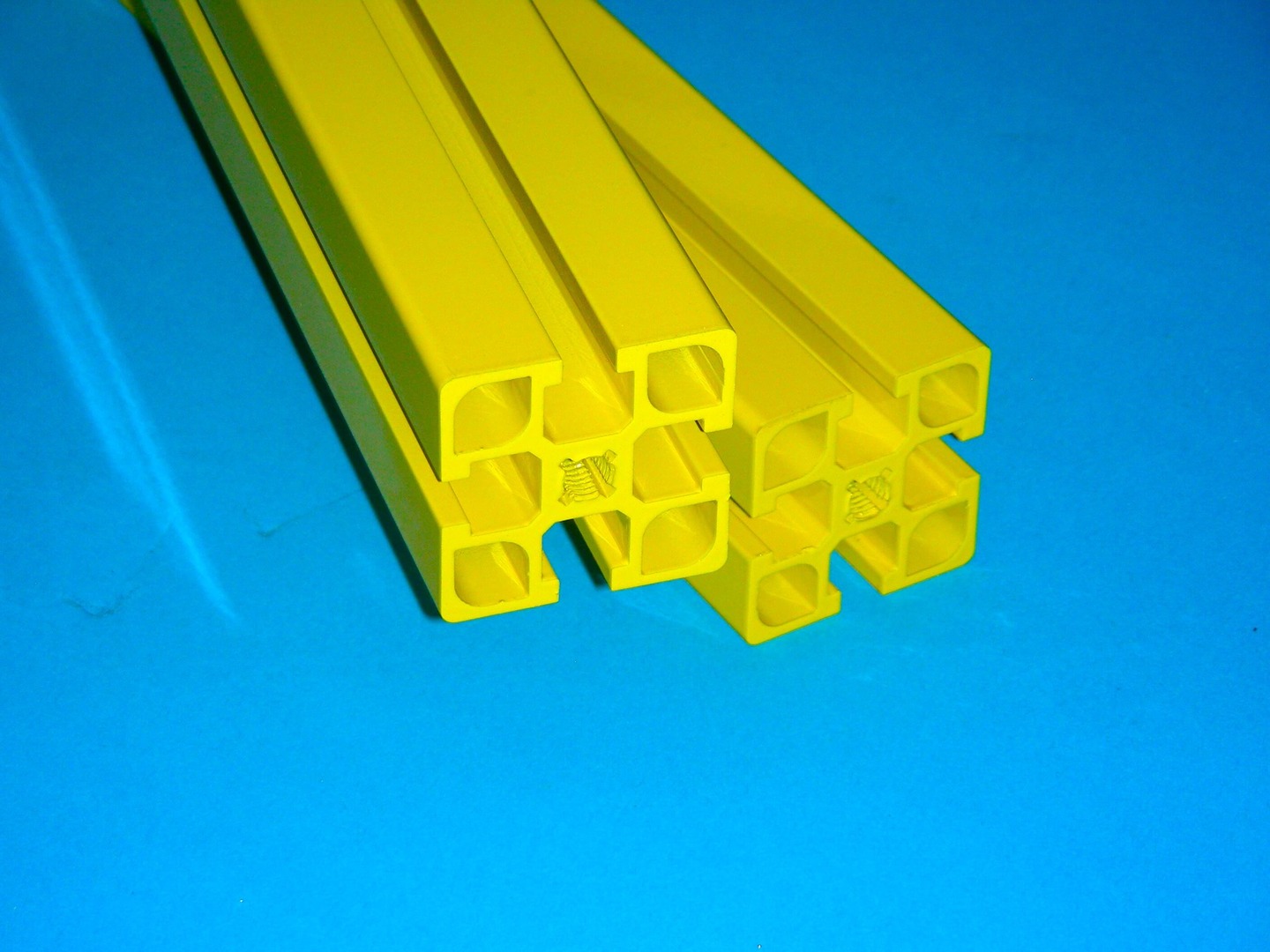
Sheet, plate and tube laser cutting, coordinated through one production source.
-
Heavy plate laser cutting up to 2 in. (51 mm) mild steel, supported by CWB certified welding to CSA W47.1 and W47.2
-
Production fabrication for repeat OEM and industrial requirements
-
NOT A FIT; Residential repairs, ornamental work or onsite installation
Our Metal Fabrication Services for Industrial Applications
Heavy Fabrication
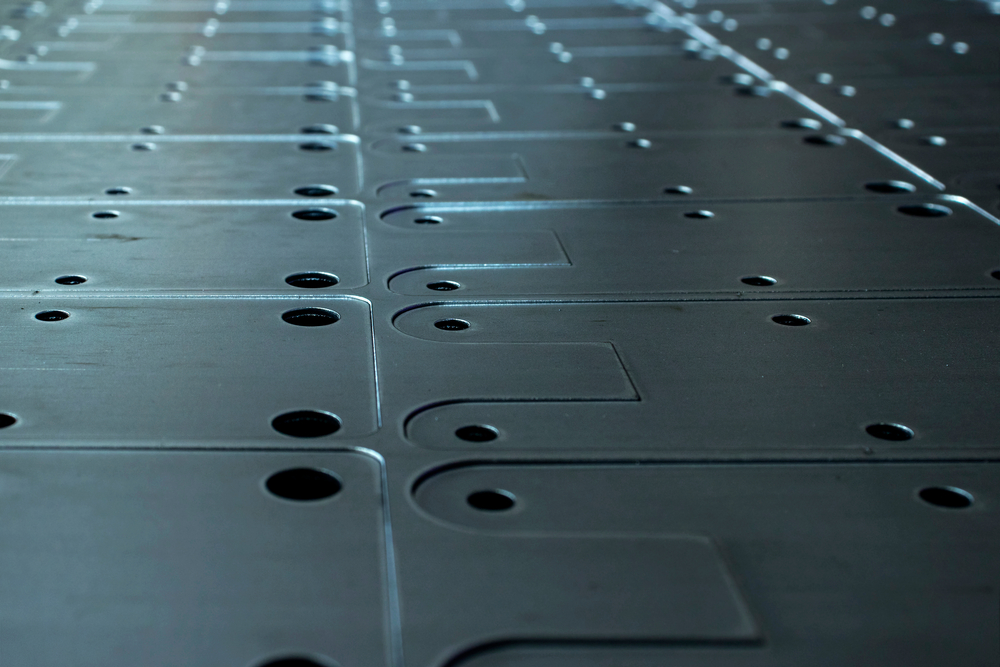
Sheet, Plate and Tube Laser Cutting
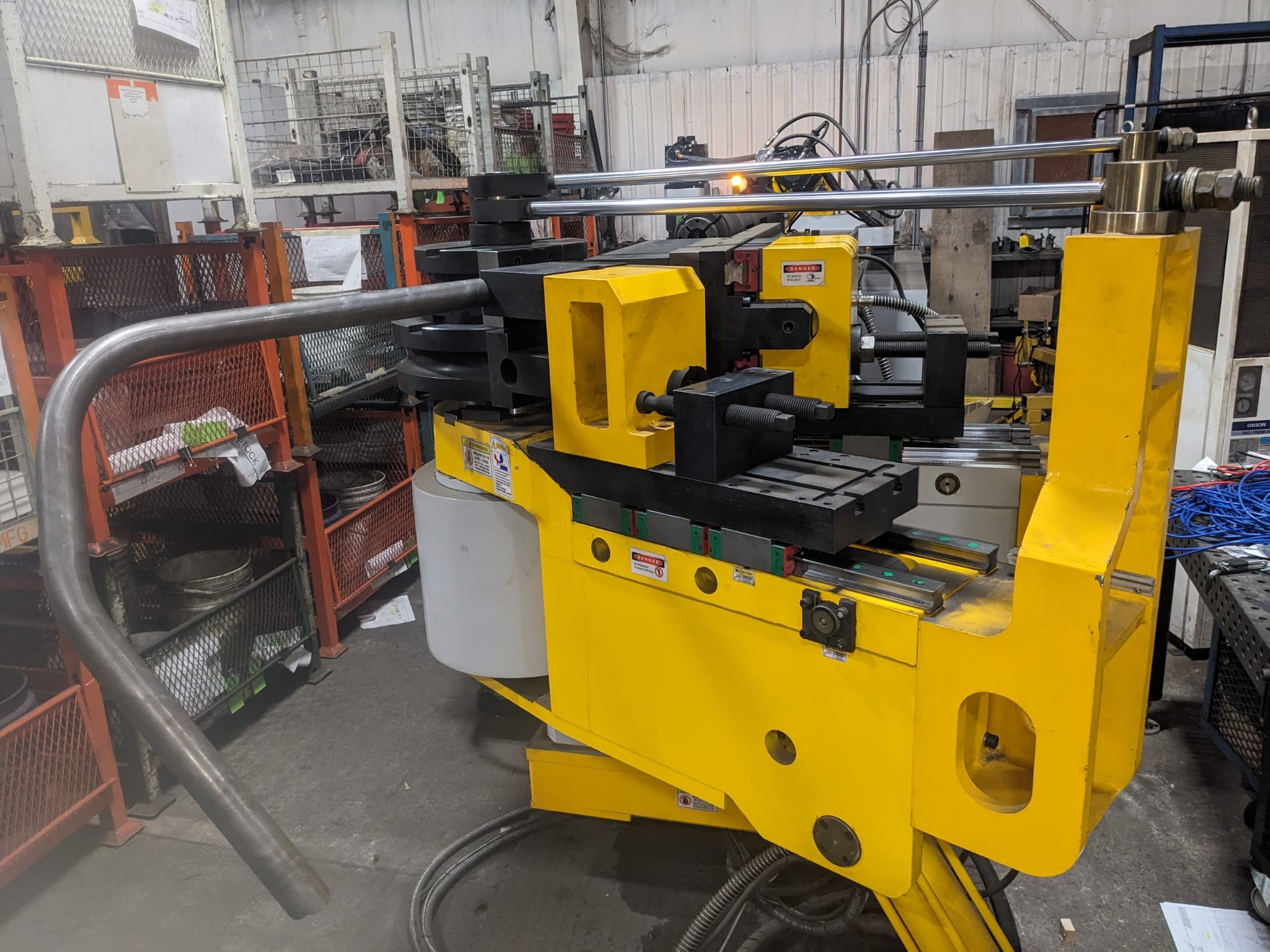
CNC Tube Bending for Production Components
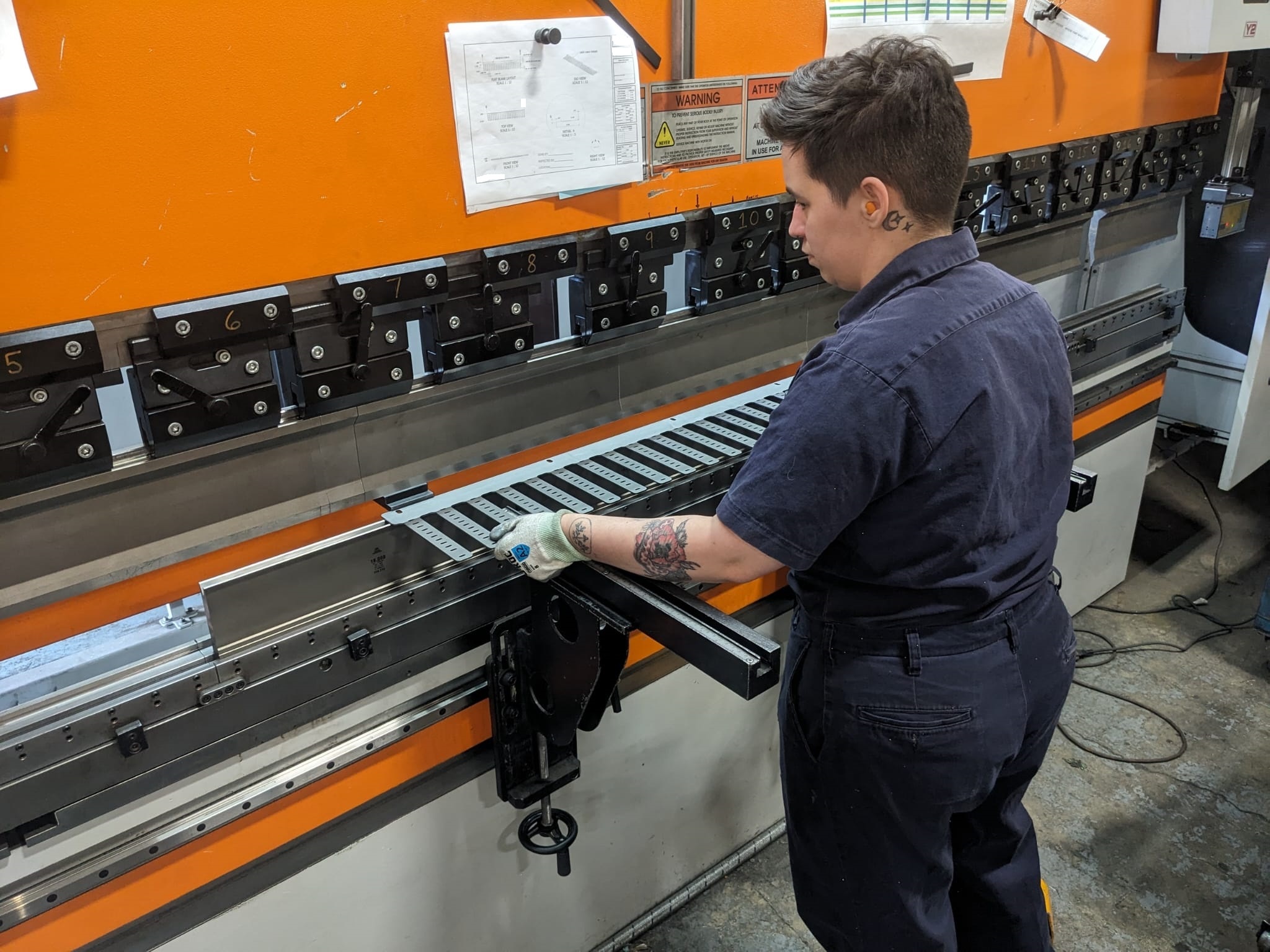
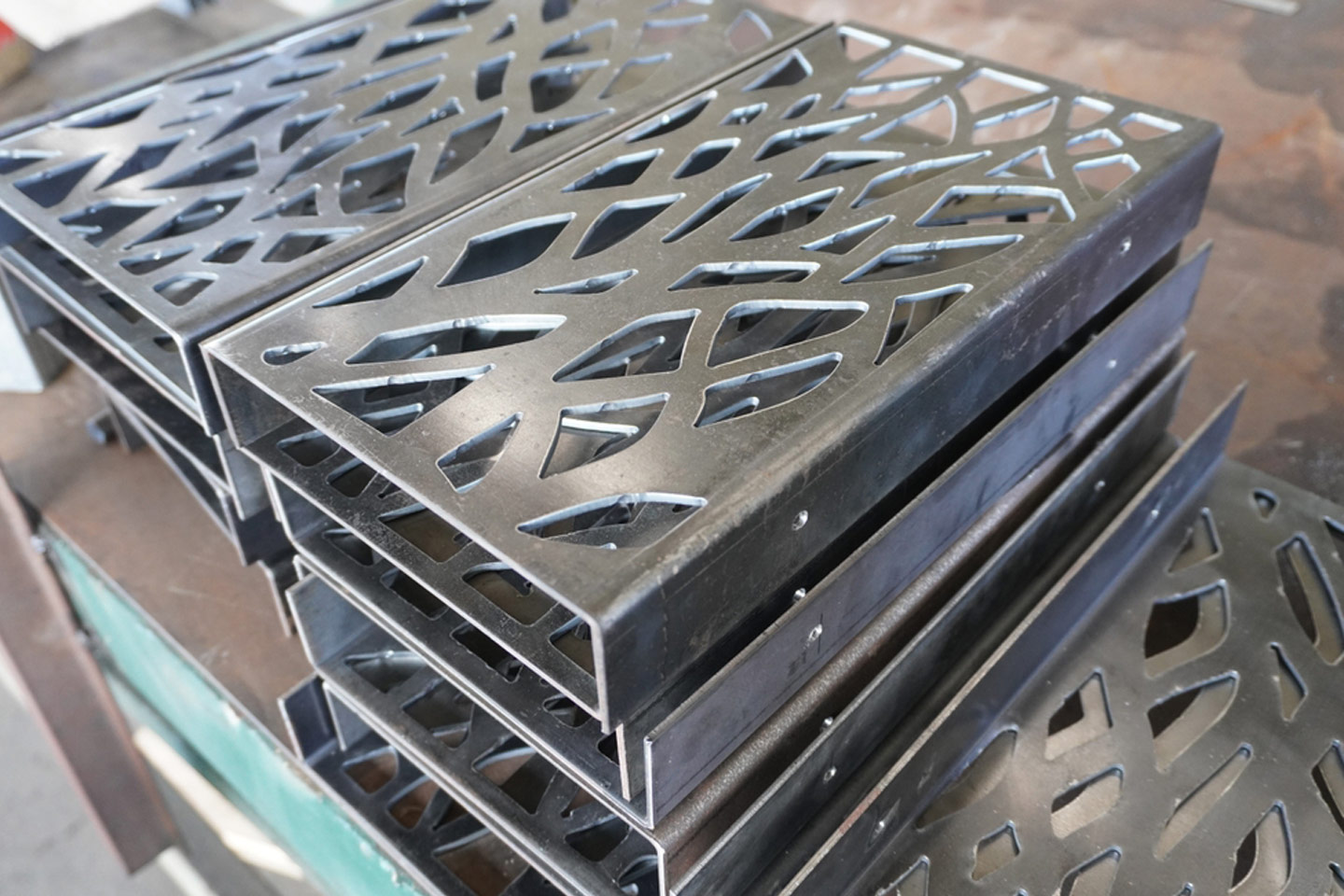
CNC Press Brake Forming
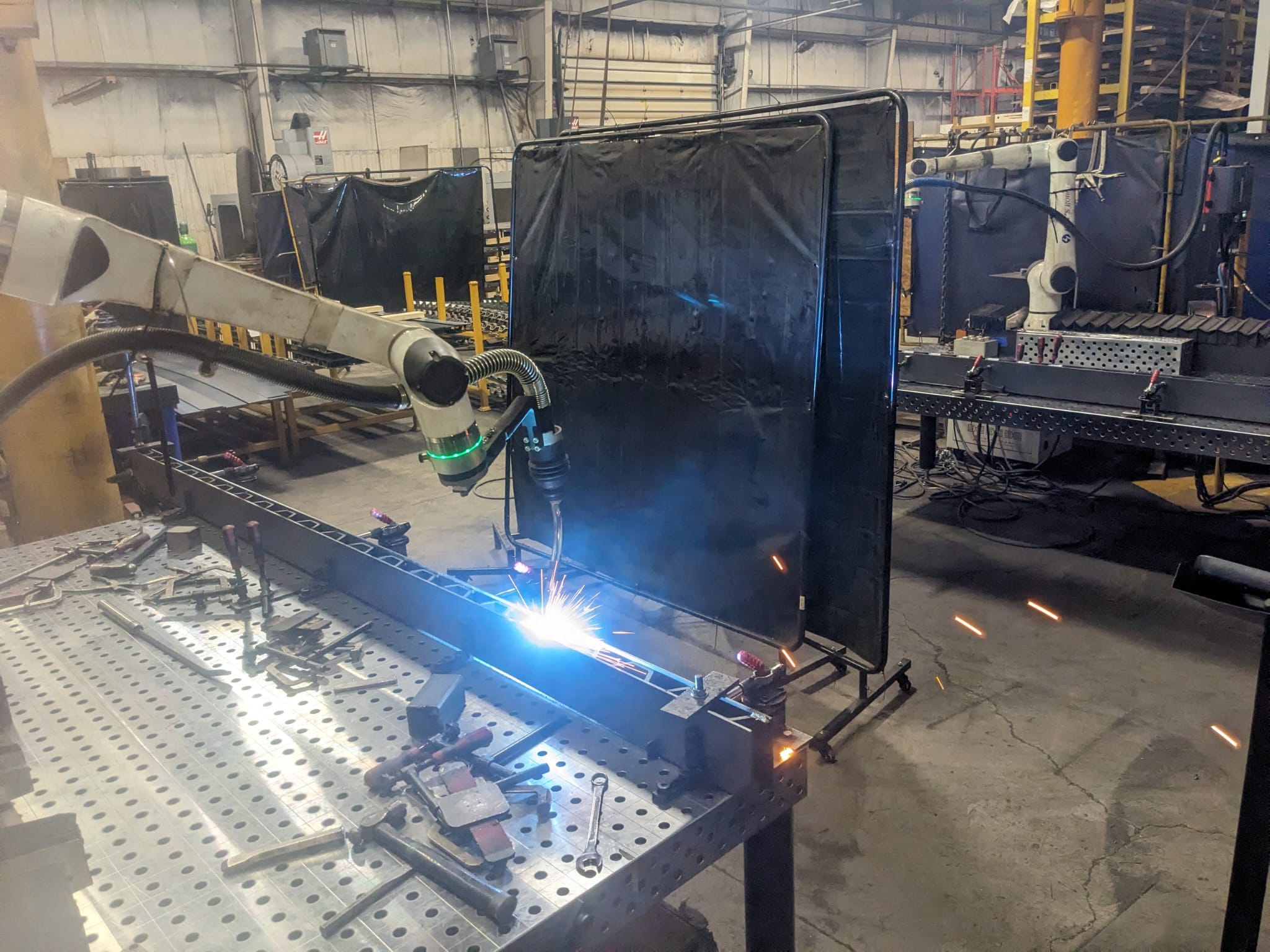
CWB Welding and Fabricated Assemblies
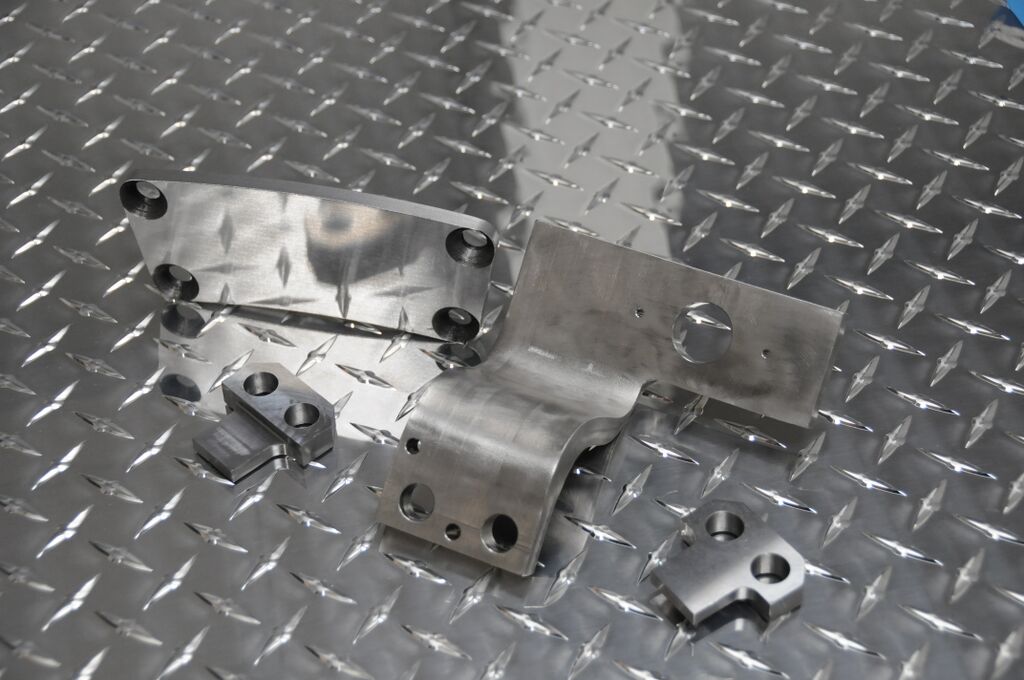
Machining, Inspection and Assembly
Repeat Production from Customer Drawings
Heavy Plate Fabrication for Industrial Components
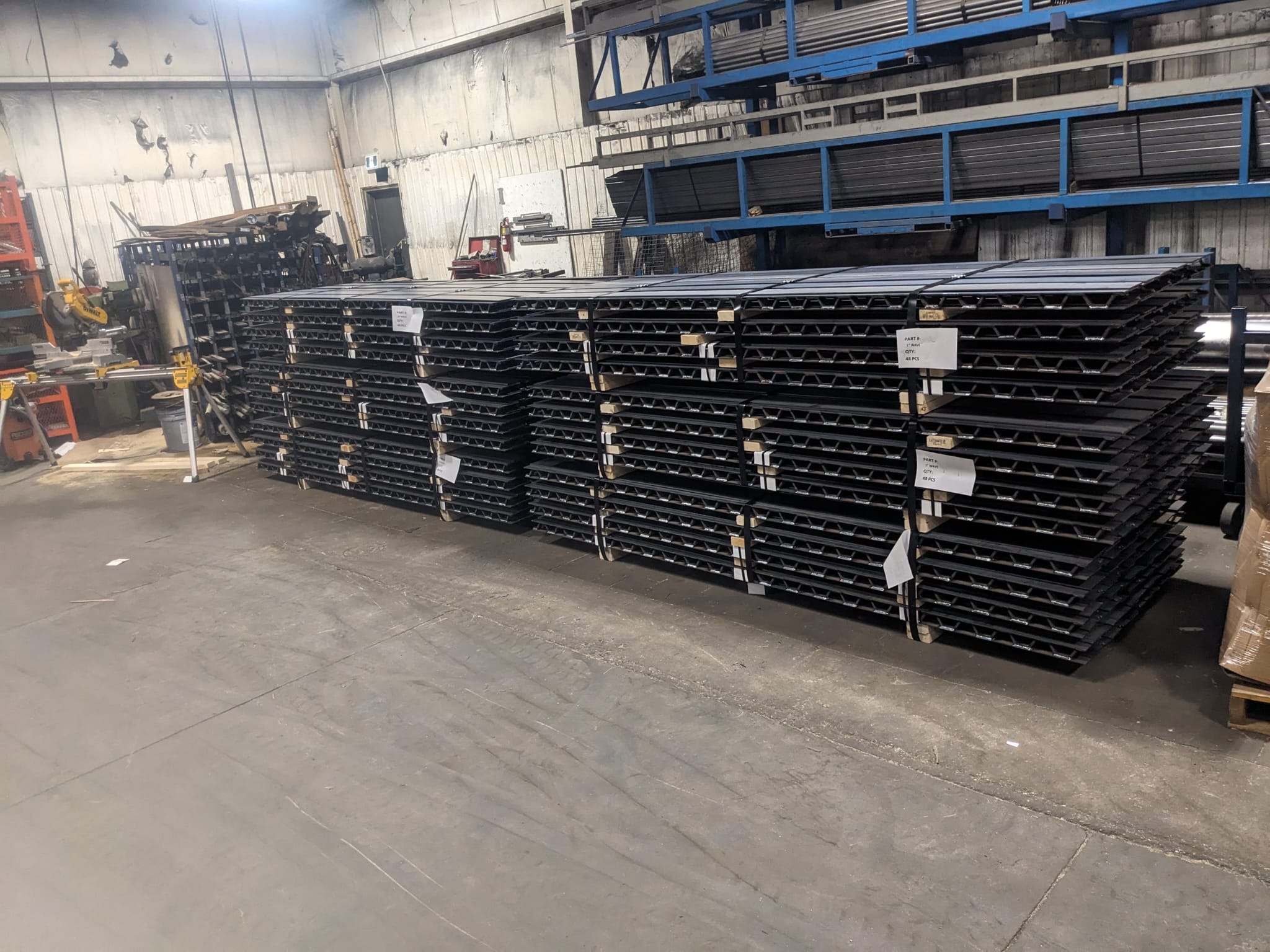
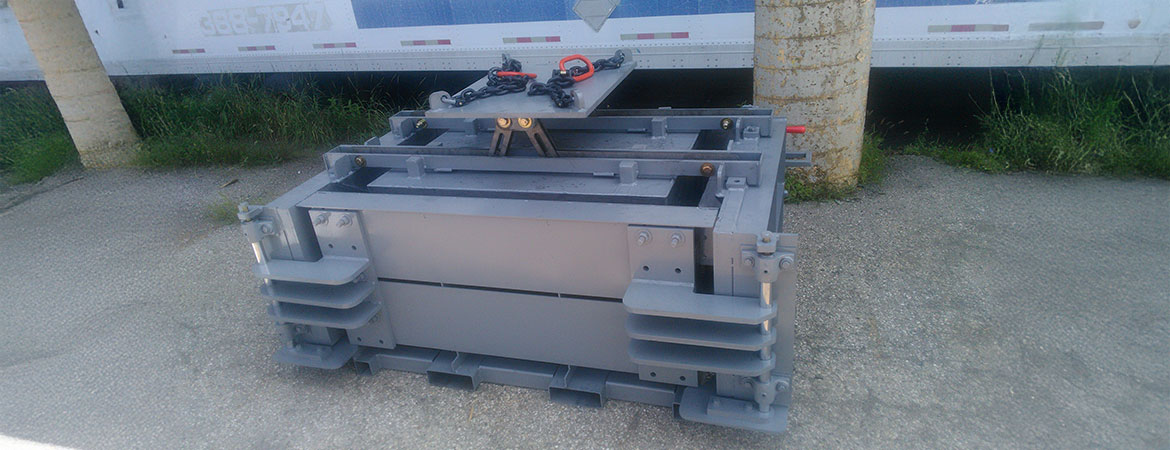
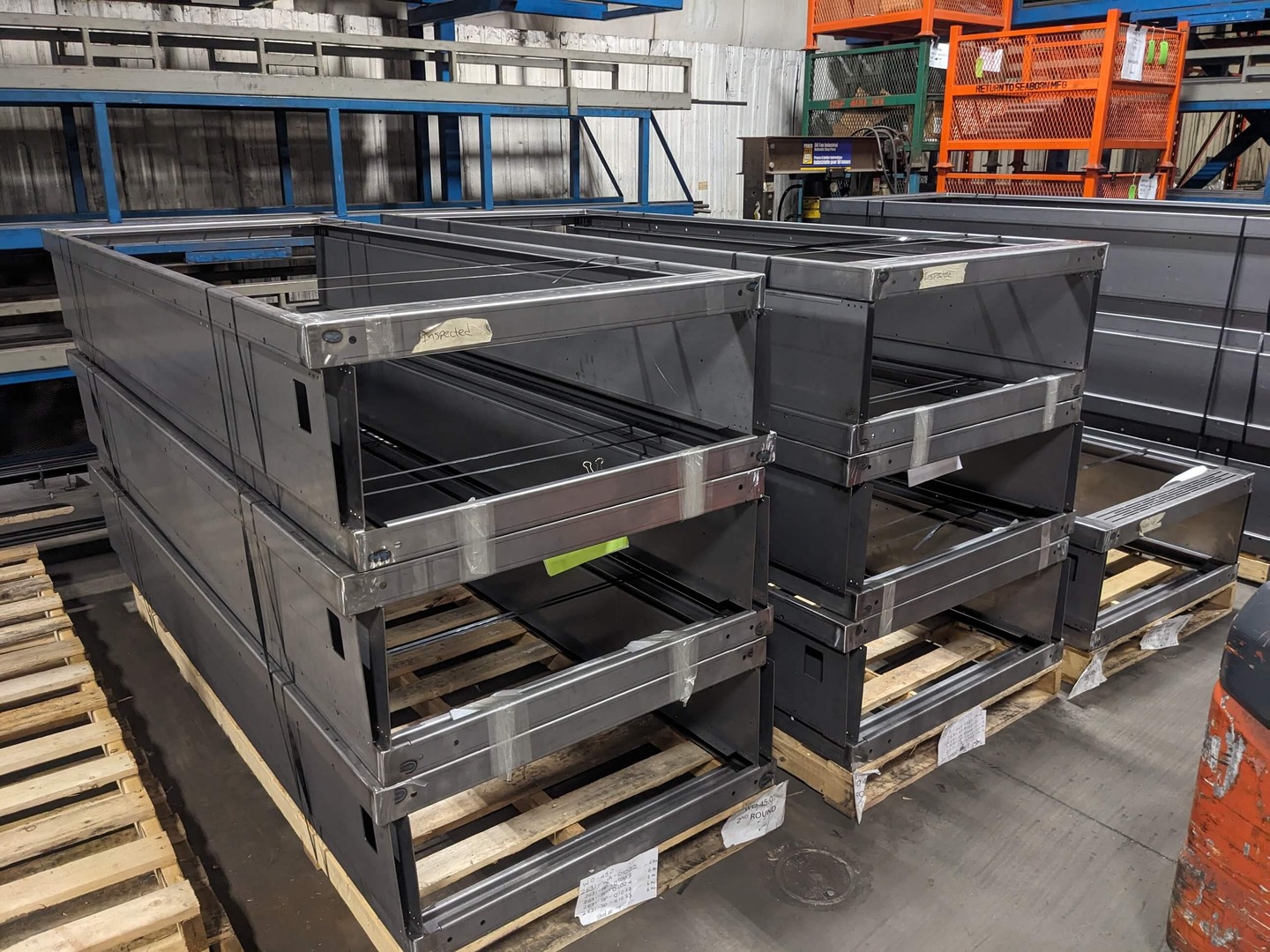
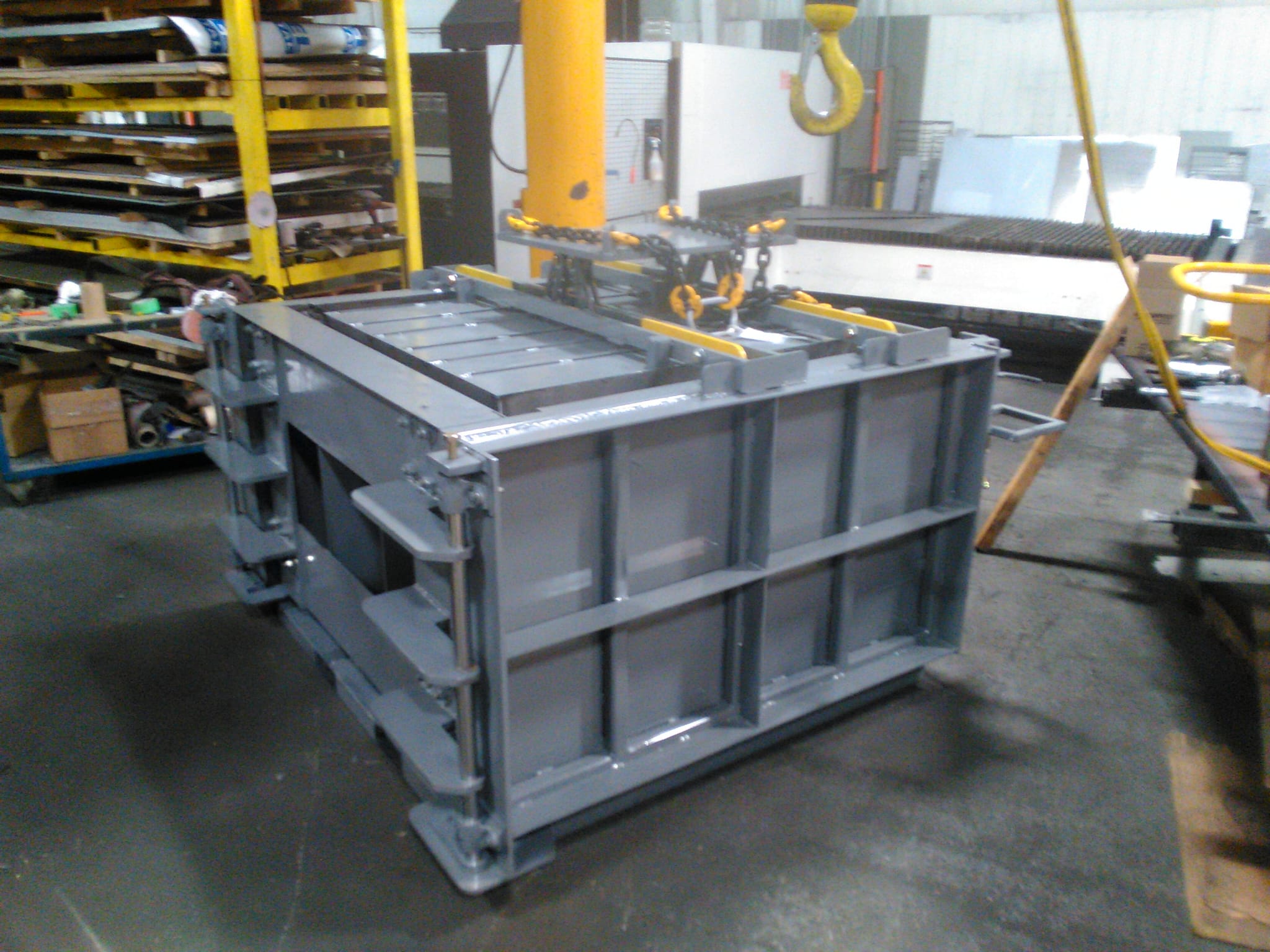
Seaborn’s 20 kW fibre laser cuts carbon and mild steel plate up to 2 in. (51 mm), supporting OEMs that want to consolidate heavy plate cutting and downstream fabrication. From customer drawings, we produce base plates, frames, equipment skids, machine components and fabricated assemblies, then coordinate forming, machining, CWB certified welding, inspection and assembly at our Waterloo facility.
Laser Cutting Thickness by Material
| Material | | Standard production thickness limit |
|---|---|
| Carbon / mild steel | | Up to 2 in. (51 mm) |
| Stainless steel | | Up to 1 in. (25 mm) |
| Aluminum | | Up to 1 in. (25 mm) |
Thickness capability depends on material grade, feature geometry, tolerances and required edge quality. We will confirm the appropriate process and production limit during quotation.
Why OEM and Industrial Buyers Choose Seaborn for Metal Fabrication
Seaborn combines sheet, plate and tube laser cutting, CNC tube bending, press brake forming, machining, CWB certified welding, inspection and assembly at its Waterloo facility. This coordinated approach gives engineers and purchasing teams one production source for components, weldments and fabricated assemblies produced from customer drawings, with clearer responsibility for part fit, repeatability and delivery.
-
Sheet, plate and tube laser cutting, CNC forming, tube bending, machining, CWB certified welding, inspection and assembly through one production source
-
Fabricated assemblies up to approximately 10,000 lb and components within a 10 ft × 20 ft envelope, subject to design review
-
CWB certification to CSA W47.1 and W47.2 Division 3, supported by controlled fixtures and defined inspection requirements
-
20,000 sq ft Waterloo facility supporting repeat OEM production, engineering reviews and scheduled releases
Common Materials for Industrial Metal Fabrication
Carbon Steel Fabrication
Mild steel is Seaborn’s primary material for industrial fabrication because it provides strength, material availability and cost efficiency across repeat production applications. At our Waterloo facility, laser cutting, CNC forming, machining and CWB certified welding support production components, frames, equipment skids, machine bases and fabricated assemblies from customer drawings.
Stainless Steel Fabrication
Stainless steel is used for production components and fabricated assemblies requiring corrosion resistance or cleanable surfaces. Seaborn provides laser cutting, CNC forming, machining and welding from customer drawings. RFQs should identify the alloy, finish, material certification, weld requirements, tolerances and repeat quantities so the process route and inspection requirements can be confirmed.
Aluminum Fabrication
Aluminum is used primarily to reduce weight in frames, enclosures, equipment components and fabricated assemblies. Its thermal conductivity also makes it useful where heat dissipation is required. Seaborn combines laser cutting, CNC forming, machining and CWB certified welding to CSA W47.2 Division 3 from customer drawings while managing heat input and distortion. RFQs should identify the alloy, temper, finish, weld requirements, tolerances, inspection requirements and repeat quantities.
Built to Print Metal Fabrication Across Ontario and Canada
From its Waterloo facility, Seaborn supports OEMs, equipment manufacturers and industrial buyers across Ontario and Canada with built to print components, weldments and fabricated assemblies from customer drawings. Fabrication is completed in Waterloo, with scheduled releases and freight coordinated to project requirements. RFQs should identify material, tolerances, inspection requirements, annual usage and expected release quantities.
Production Benefits of Built to Print Metal Fabrication
-
Improve part to part consistency through CNC cutting, programmed forming, controlled welding and defined inspection requirements
-
Reduce fit and assembly problems by coordinating mating components and locating features from controlled drawings and CAD data
-
Consolidate laser cutting, tube bending, forming, machining, welding, inspection and assembly with one accountable production supplier
-
Support scheduled releases and recurring OEM demand with controlled drawing revisions, repeatable fixtures and planned production quantities
Metal Fabrication RFQ and Production FAQ
Include a controlled drawing with revision, CAD data where available, material grade and thickness or tube section, tolerances, weld and finish requirements, inspection or documentation requirements, annual usage, release quantities and requested delivery. Assembly RFQs should also include a bill of materials, hardware and assembly requirements. A 3D model can define geometry, but it does not replace a controlled drawing that identifies tolerances and acceptance requirements.
Cost is affected by material grade and thickness, component size and geometry, tolerances, cut edge requirements, forming complexity, machining, weld length and access, fixtures, tooling, finish, inspection documentation, lot size and annual volume. Tolerances should reflect functional requirements because tighter requirements can add machining, tooling, setup and inspection. Larger production quantities and repeat releases allow programming, setup, tooling and fixture costs to be distributed, or amortized, across planned production.
Yes. Seaborn can coordinate sheet, plate and tube laser cutting, CNC tube bending, press brake forming, machining, CWB certified welding, inspection, hardware installation and final assembly from one drawing package. Robotic welding is applied where part design and production volume justify the required programming and fixturing. The quoted scope of supply is defined by the controlled drawings, bill of materials and acceptance requirements.
Repeat work is supported through controlled drawing revisions, stored CNC programs, repeatable fixtures, defined inspection requirements and planned release quantities. During RFQ review, Seaborn considers annual demand, release size, material availability, tooling and inspection needs. These inputs support a stable production routing in our ERP for recurring components and assemblies and help purchasing teams plan scheduled releases.
Seaborn’s best fit is built to print repeat production of industrial components, weldments and fabricated assemblies for OEMs, equipment manufacturers, industrial buyers and infrastructure related companies. Strong projects use one or more of Seaborn’s cutting, bending, forming, machining, CWB welding, inspection and assembly capabilities. Projects combining several Seaborn processes are an especially strong fit because one production source can reduce supplier handoffs and improve control of part fit. Seaborn is not positioned for residential repairs, ornamental work, walk in welding, one off hobby projects, onsite installation, sheet rolling, tube rolling, profile rolling or roll forming.